In this guide
Use a condition check at the end of the day
Look at the seat, knees, cuffs, pocket openings and waistband. Check for visible dirt, food, oily marks and damp areas. Notice odor after the pants have aired briefly rather than deciding only while you are still wearing them. If they feel unpleasant or are visibly soiled, plan appropriate cleaning instead of trying to extend a rewear streak.
There is no universal number of wears that makes every travel pant clean or dirty. Climate, activity, fit, fabric, spills and your own preferences all matter. A marketing claim about odor resistance cannot see what happened to the pair you wore today, and a lack of obvious odor does not erase a visible stain.
Separate a small spot from a full-garment problem
A little dry dust at the hem may call for gentle removal using the maker's recommended method. An isolated fresh spill may respond to a compatible spot treatment. General grime, widespread perspiration or a persistent smell is a different situation and can justify washing the whole garment.
Check any stain-treatment instructions before applying a product. Avoid turning a small mark into a larger water ring or faded patch through aggressive rubbing. If the garment is delicate or requires professional care, ask an appropriate cleaner rather than experimenting with whatever bathroom product happens to be available.
| End-of-day condition | Practical next step | Planning consequence |
|---|---|---|
| Dry, comfortable and visibly clean | Air appropriately and reassess before rewearing | May stay in the current rotation |
| Small localized mark | Use a compatible spot method | Allow treated area to dry |
| General dirt or persistent odor | Wash according to the label | Wear the alternate pair while drying |
| Still damp from wear or weather | Dry fully and assess cleaning needs | Do not seal it with clean clothing |
Airing is useful between suitable wears
Remove pocket contents and arrange the pants so they can air, using a method appropriate for their construction. Do not leave them tightly rolled in a packing cube and expect the same result as giving them open space. Airing is an in-between-wear step, not a washing replacement for a garment that needs cleaning.
Woolmark notes that wool trousers may not require cleaning after every use, while emphasizing the garment's care claim when washing is needed. This does not establish a fixed wear allowance for every merino blend or for a visibly dirty pair. Woolmark wool-pants care.
Choose the wash window while another pair is usable
If tonight is your only laundry opportunity before a meeting, check that you have something acceptable to wear while the pants dry. A two-pair rotation can provide that spare, but alternating pairs does not clean either one.
For the mechanics, use the sink-washing guide; for the drying window, use overnight drying. Keep the decision to wash tied to the condition you found, then arrange care early enough for the next use.
Models relevant to this guide
We may earn a commission from purchases through links on this page, at no extra cost to you. How our links work.
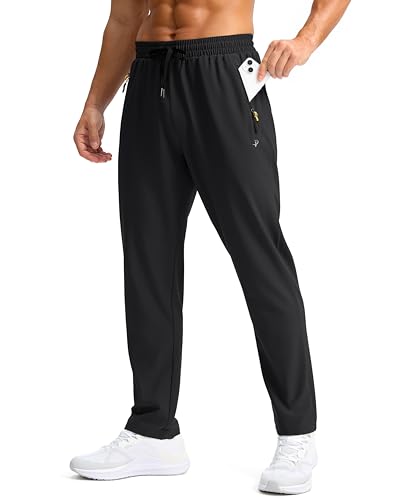
Pudolla Lightweight Quick-Dry Cargo Hiking Pants
Shortlist these when your itinerary includes walking and outdoor stops, and you want cargo storage with explicitly listed zipper pockets in one pair.

Toomett Women’s 6608 Quick-Dry Cargo Hiking Pants
Put this on an outdoor-trip shortlist when cargo storage and zipped pockets are priorities, then compare the actual cut with the walking activities you have planned.
Questions before you choose
Can I wear travel pants for several days without washing?
Possibly, if they remain dry, comfortable and acceptably clean for you and the setting. Check condition after each wear rather than treating several days as a guaranteed allowance.
Do merino travel pants never need washing?
They still need cleaning when soiled or otherwise due for care. Odor-related advantages do not eliminate dirt, stains or the instructions for the finished garment.