In this guide
Start with the next dependable wash
Write down when you can realistically wash and dry pants, not just when your accommodation advertises laundry. A machine at a property is less useful if you arrive late and leave early. A hotel sink counts only if the garment allows that care and you have time and space for drying.
Next decide how often you personally expect to change pants in the planned conditions. Someone spending quiet days indoors may rewear a pair; someone expecting dusty work, heavy perspiration or frequent spills may want a clean pair more often. These are planning assumptions, not promised wear intervals for a particular fabric.
Count every pair, including the one you wear
Count total pairs first, then subtract the pair you will wear to find how many go in the bag. In the examples below, two total means one worn and one packed.
These are starting counts, with their assumptions stated. A clean spare and a pair reserved for an event may be the same item if the timing works. They need to be separate when, for example, your outdoor pair is muddy and the event pair is unavailable for ordinary wear.
| Example itinerary | Possible starting count | Assumption that makes it work |
|---|---|---|
| Quiet weekend | Two total, including the worn pair | One versatile main pair and a backup |
| One week with a practical wash opportunity | Two or three total | Reuse between washes suits the traveler |
| Two weeks with dependable laundry | Two or three total | Laundry repeats before the clean rotation runs out |
| Active trip plus a separate formal event | Three or more may be useful | Activity and event clothing cannot fully overlap |
When can a one-pair trip work?
One pair can be a deliberate choice for a short, simple itinerary, especially when you have another suitable bottom to wear during washing. It leaves little resilience if the pants get badly soiled, tear, or remain damp. A swimsuit or sleep shorts are not automatically suitable for leaving your room while your only pants dry.
Before committing, answer three questions: what will I wear while washing, what happens if drying takes longer than expected, and can I replace the pants locally in my size? If the answers are awkward, carrying a second lightweight pair is a practical trade rather than a packing failure.
Use a buffer that matches the itinerary
Add a pair when missing the planned wash would leave you without an acceptable outfit. On a multi-night stay, washing earlier may provide the same margin without increasing the count. On repeated one-night stops, another pair may be the more practical choice.
Use the pants packing planner to organize the laundry interval and desired backup. For deciding which cuts, colors and outfits should fill that count, use the carry-on pants capsule.
Models relevant to this guide
We may earn a commission from purchases through links on this page, at no extra cost to you. How our links work.
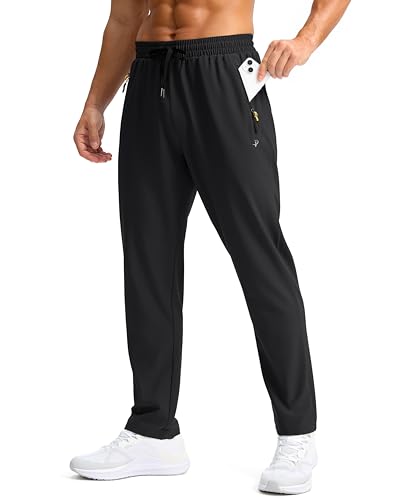
Pudolla Lightweight Quick-Dry Cargo Hiking Pants
Shortlist these when your itinerary includes walking and outdoor stops, and you want cargo storage with explicitly listed zipper pockets in one pair.

Toomett Women’s 6608 Quick-Dry Cargo Hiking Pants
Put this on an outdoor-trip shortlist when cargo storage and zipped pockets are priorities, then compare the actual cut with the walking activities you have planned.
Questions before you choose
How many pairs of pants should I pack for two weeks?
Two or three total can be a workable starting point with reliable laundry and overlapping uses. Increase the count if you need frequent changes, have separate event clothing, or cannot wash and dry them reliably.
Should I pack a fresh pair for every day?
Only if that matches your activities and preferences. Many itineraries can use rewearing and laundry, while dirty or demanding activities may call for more frequent changes.