In this guide
Start with the time you actually have
An overnight stay does not always provide a full night for drying. If you arrive late, wash after dinner and depart before breakfast, the available window may be short. Write the wash time and the time you need the pants, then decide whether you have a backup if they are not ready.
For a trip with several nights in one room, wash earlier in the stay. That gives you a second drying opportunity without transporting a wet garment. If every night is a new location, favor a laundry plan you can complete reliably rather than repeating a rushed sink wash at each stop.
Inspect the slowest parts of the garment
Look at the waistband, pocket bags, hem, fly and layered seams. These contain more material than a plain leg panel and deserve separate attention. A pair with several thick pockets can behave differently from a simple unlined pair even if both list the same main fiber.
Before travel, try the allowed wash at home and note which parts stay damp longest. Record the water-removal method and room conditions as well as elapsed time. That observation applies to your trial; it does not predict a hotel with different humidity or airflow.
Compare quick-dry pants by their thickest parts, then test the selected garment before relying on an overnight wash.
Remove water before relying on room air
Begin with the water-removal method the label permits. A suitable machine spin or gentle towel press can reduce what the room air must dry. The sink-washing procedure explains rinsing and towel pressing; do not skip rinsing to gain drying time.
Arrange the garment so layers are not bunched together. Separate the legs and smooth out folded pocket bags where possible. If the label requires flat drying, provide a suitable supported surface; if hanging is allowed, use a hanger that does not pinch the wet fabric into a narrow bundle.
Choose a sensible drying location
Look for ordinary room airflow and a place where dripping will not damage anything. A small bathroom immediately after a shower may be less helpful than a suitable spot in the main room. Avoid assuming that a closed wardrobe will perform like an open drying rack.
Use an intended drying arrangement. Do not cover a heater, lamp or electrical appliance with wet clothing or direct a hair dryer against the fabric as a rescue method.
| What you observe | Useful adjustment | What it does not establish |
|---|---|---|
| Legs dry, waistband damp | Expose waistband and allow more time | That the whole pair is ready |
| Fabric folded against itself | Rearrange within its care requirements | A guaranteed completion time |
| Room has little useful airflow | Use a more suitable permitted location | That extra heat is safe |
| Checkout is approaching | Switch to the backup and isolate damp pants | That packing damp is a storage solution |
Make the morning decision deliberately
Feel the inside of the waistband, pocket corners and crotch seams rather than only the outside leg. If still damp, use the alternate outfit you planned. Do not put a wet pair directly against the rest of your clean clothing in a tightly packed suitcase.
For a transfer, pack the damp pair separately and reopen it to dry at the next suitable opportunity. If the same pair repeatedly misses the deadline, change the wash schedule or bring a more usable spare.
Models relevant to this guide
We may earn a commission from purchases through links on this page, at no extra cost to you. How our links work.
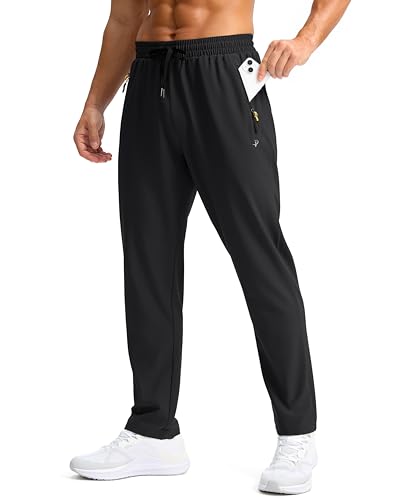
Pudolla Lightweight Quick-Dry Cargo Hiking Pants
Shortlist these when your itinerary includes walking and outdoor stops, and you want cargo storage with explicitly listed zipper pockets in one pair.

Toomett Women’s 6608 Quick-Dry Cargo Hiking Pants
Put this on an outdoor-trip shortlist when cargo storage and zipped pockets are priorities, then compare the actual cut with the walking activities you have planned.
Questions before you choose
Does quick-dry mean my pants will dry in eight hours?
No. Unless a maker provides applicable test conditions, the phrase gives no dependable hotel-room deadline. Garment construction, washing and the room all affect the outcome.
Should I put wet pants over the hotel heater?
No. Use a safe, intended drying arrangement that follows the garment label. Direct contact with a heater creates avoidable heat and equipment risks.