In this guide
Count outdoor hours, not just trip days
List the longest outdoor stretches on the itinerary: a walk, an event, a queue or time waiting for transport. Then identify the indoor parts between them. Two trips with similar forecasts can need different outfits if one is built around outdoor sightseeing and the other around museums, restaurants and short transfers.
Use destination forecasts near departure and revisit the plan if an outdoor activity changes. Choose the clothing for the longest exposure you actually expect, including time waiting outside.
Decide between built-in warmth and separate layers
A lined trouser keeps the inner and outer fabric together and may suit a day when you expect to remain in similar conditions. A separate base layer gives you another way to configure the outfit, though removing it normally requires privacy and time. Decide when you would actually make that change rather than assuming layering is always convenient.
REI describes layering as assigning different functions to clothing worn together. Read REI’s layering basics. Applied to pants selection, this means checking the whole combination: a base layer, everyday trousers and any weather layer must fit without making the waist or knees uncomfortably tight.
Test the complete lower-body outfit
Put on the underwear, base layer, pants and socks you plan to use. Sit, bend a knee and lift one foot onto a step. Check whether the trouser slides smoothly over the inner layer or catches and pulls. Make sure the waist closes comfortably without relying on the stretch of several layers at once.
Try the boots or shoes too. A tight taper may bunch above a boot, while a long wide leg may drag. If you will use rain overtrousers, add them to the fitting session rather than testing them separately. Pay attention to closures you need to operate while wearing a coat and to pockets hidden under that coat.
For winter in Europe, plan the indoor transitions
An urban itinerary may involve repeated changes between the street, transport and heated interiors. For that pattern, start with a trouser you find comfortable indoors and decide what you need for the outdoor portions. A garment chosen only for the coldest expected moment may be an inconvenient everyday pair.
Treat a long outdoor event or mountain excursion as a separate clothing requirement. Use the forecast for that location rather than expecting the city outfit to cover it. The Europe itinerary guide helps assign those different days to the pairs you pack.
Plan for wet hems before the next outing
Check whether you have enough time and suitable facilities to care for a wet or dirty pair. Follow its label before using a radiator or hotel dryer. If it may be unavailable the next morning, pack another pair that also works for indoor evenings or travel days; the rainy-trip packing guide covers that rotation.
Models relevant to this guide
We may earn a commission from purchases through links on this page, at no extra cost to you. How our links work.

TBMPOY Women’s Lightweight Water-Resistant Stretch Hiking Pants
Consider this pair when you want a women’s hiking-labeled option to compare for a trip that includes outdoor walking and changeable weather conditions.
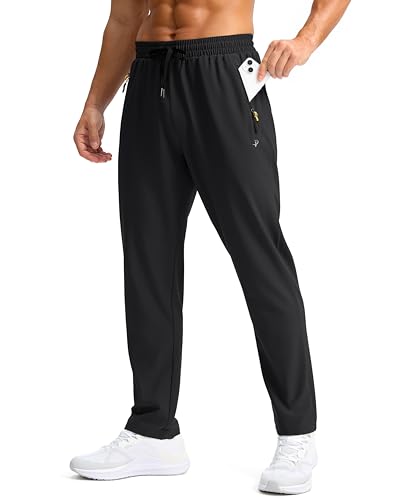
Pudolla Lightweight Quick-Dry Cargo Hiking Pants
Shortlist these when your itinerary includes walking and outdoor stops, and you want cargo storage with explicitly listed zipper pockets in one pair.
Questions before you choose
Should winter travel pants be lined?
A lining can suit consistent cool conditions, but it cannot be removed when you move indoors. Compare a lined pair with an unlined trouser and separate base layer around the transitions in your itinerary.
What pants should I pack for winter in Europe?
Use the forecast and your outdoor plans to choose an indoor-comfortable trouser, any needed lower layer and appropriate weather protection. A city break and an outdoor winter trip need different preparation.
Can I wear a base layer under slim travel pants?
Only if the combined outfit remains comfortable through the waist, seat and knees. Test it together before departure; an otherwise well-fitting slim trouser may not have enough spare room.