In this guide
Pack for the time outside
Separate short indoor-to-indoor transfers from a walking tour, ferry connection or day on a trail. Check the forecast near departure and the operator’s guidance for outdoor activities. A flexible city day gives you different options from an excursion that stays outdoors.
For sustained exposure, consider an appropriate rain shell over the trousers. Try the combination with your actual shoes: step up, sit and see whether you can reach the pockets. Water-resistant pants and a waterproof outer layer do different jobs; see water resistance versus waterproofing.
Compare water-resistant travel pants for ordinary use in changeable conditions, then decide separately whether the itinerary requires rain overpants.
Keep the spare dry and usable
Store it away from a damp jacket or umbrella, and make sure it works with the top and shoes you already have. On a city break, the spare might double as dinner trousers. After a wet outdoor day, you may need it earlier than the reservation.
If that would leave the evening uncovered, change the arrangement: keep another suitable outfit dry, allow a return to accommodation, or adjust the evening plans. Adding several similar pairs is less useful than knowing when each will be needed.
Put drying time on the itinerary
A two-night stay offers more opportunity than a late arrival followed by early checkout. Confirm laundry or drying facilities if the plan depends on them, and check that the service suits the garment label.
Unpack wet clothing when you reach accommodation. Arrange the permitted drying method and inspect the waistband, pockets and seams before repacking. Avoid improvised direct heat. Technical shells also have their own care requirements; consult the maker’s directions, such as these GORE-TEX instructions, for the shell you actually own.
If the pants are still damp at checkout
Contain them separately for the transfer and remove them for drying at the next opportunity. Keep the parcel near the bag opening so it is easy to retrieve. Packing worn and damp pants covers the separation system.
Repeated wet days may require a laundry stop or a change of activity. Another pair cannot provide more drying time; reserve one wearable outfit while you deal with the wet clothing.
Models relevant to this guide
We may earn a commission from purchases through links on this page, at no extra cost to you. How our links work.
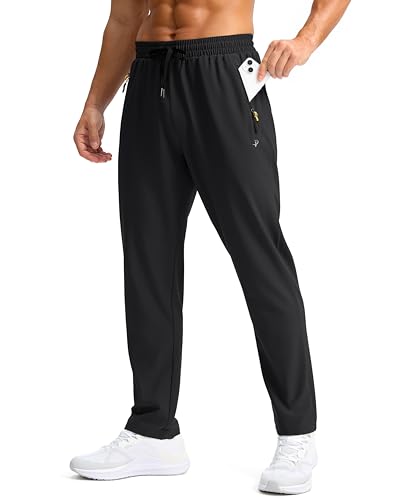
Pudolla Lightweight Quick-Dry Cargo Hiking Pants
Shortlist these when your itinerary includes walking and outdoor stops, and you want cargo storage with explicitly listed zipper pockets in one pair.

MAGCOMSEN Men’s Quick-Dry Hiking Pants with Zipper Pockets
Look at this pair when zipped pockets are a deciding feature and your itinerary mixes travel days with walking or casual outdoor activities.
Questions before you choose
Are water-resistant pants enough for a rainy vacation?
That depends on the garment and how long you will be exposed. Short city transfers and a full wet day outdoors are different situations. Use the stated limits and consider a suitable outer layer for sustained exposure.
Should I pack wet pants in a waterproof bag?
A suitable bag can isolate them during a transfer, but remove them for drying as soon as practical. The bag does not make damp clothing dry or ready to rewear.