In this guide
Inspect the bottom six inches first
Turn the hem inside out and look for a basic folded edge, attached cuff, lining, zipper, cord or adjustment tab. Note any reflective strip or decorative seam that would be removed. The question is not only whether fabric can be cut off, but whether the altered leg will still function and look the way you want.
A tailor may be able to relocate a feature, but that changes the work and cost. An ankle zipper can require shortening or repositioning; an elastic cuff may need removal and reattachment. Do not assume the store's standard hemming service includes these operations. Ask about the actual garment, not just its fabric name.
| Hem construction | Likely question for the tailor | Decision before cutting |
|---|---|---|
| Plain stitched hem | Can you match the finish and stitch? | Final inseam and desired break |
| Elastic cuff | Can the cuff be reattached cleanly? | Keep the jogger shape or change it |
| Ankle zipper | Does the zipper need moving or replacing? | Whether cost justifies the alteration |
| Drawcord channel | Can you preserve the adjustment? | Required channel and cord clearance |
| Taped or bonded edge | Is the original finish reproducible? | Whether to seek manufacturer advice |
Get the fit above the hem right
Try the pants with the waistband settled where you will wear it. If you move the waist up after marking the hem, the finished legs may end up shorter than planned. Check the seat and knees first. Hemming cannot move an articulated knee or give a short rise more space. The petite and tall fit guides help identify proportion problems above the hem.
If the pants will need another alteration, discuss the order with the tailor. Changing the waistband position or overall fit can affect where the hem lands. It is better to settle those issues before measuring the final leg length. For a new purchase, confirm that you are keeping it before authorizing an alteration.
Bring the shoes that matter
Use your most frequently worn travel shoes for the fitting. If you plan to alternate low sneakers and thicker-soled boots, check both and decide which length compromise is acceptable. Wide hems and narrow hems interact differently with footwear; there is no single correct inseam across all silhouettes.
Walk and sit while the proposed length is pinned or temporarily marked by the tailor. Look for ground contact, catching on the shoe and the amount of ankle exposure when seated. If your legs need slightly different finished lengths, tell the tailor rather than forcing identical measurements for the sake of symmetry on a label.
Ask about stretch and appearance
The stitch and finish should suit the fabric's movement. Show the tailor how the leg stretches when you step or bend. Ask whether the altered area will look or move differently from the original hem, particularly on technical knits or unusually thin material. A clean result depends on the person assessing the actual fabric.
Consider how much taper will be lost. Shortening a tapered leg higher up leaves a wider opening unless the shape is adjusted too. That may be welcome, but it can change an ankle pant into something less fitted around the shoe. Decide whether you want the original opening width preserved.
Treat iron-on fixes as a separate choice
Hem tape is not automatically compatible with travel fabrics. It introduces adhesive and usually heat, and may change drape or leave a mark. GINETEX advises selecting ironing treatment from the garment label rather than fiber content alone. Use that principle before applying a heat-based hem product. GINETEX care symbols.
For a temporary adjustment, ask about removable stitching. For a permanent change, get a quote that includes any cuff, zipper or taper work. Compare that cost with an available shorter inseam before authorizing the alteration.
Models relevant to this guide
We may earn a commission from purchases through links on this page, at no extra cost to you. How our links work.

SEVEGO Women’s Tall 34-Inch Cotton Cargo Pants
Consider this family when you want a listed 34-inch inseam in a relaxed cargo style and prefer to investigate cotton-labeled trousers alongside technical travel fabrics.
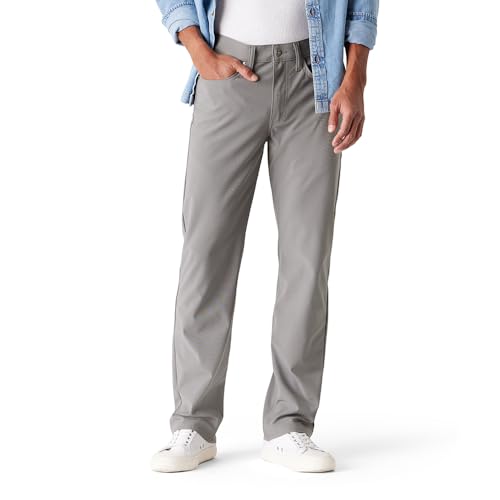
Levi Strauss Signature Gold Comfort Flex-Pro Straight Pants
Use this as a starting point when straight-leg styling and larger waist or length options matter more than finding a dedicated technical-travel label.
Questions before you choose
Can travel pants be made longer?
Only if there is enough usable hem allowance or you accept an added section or changed finish. A tailor needs to inspect the inside hem; the listed inseam does not reveal spare fabric.
Should pants be washed before hemming?
Ask the tailor and follow the garment's care instructions. If normal washing could affect the finished dimensions, completing the intended care process before marking the hem can help avoid a surprise.